From Chia Pets to Houseplants: A Guide for New Plant Parents
By Teddy Danielson ·
Edited by The Nostalgic Millennial
This article contains a paid Amazon link. As an Amazon Associate I earn from qualifying purchases.
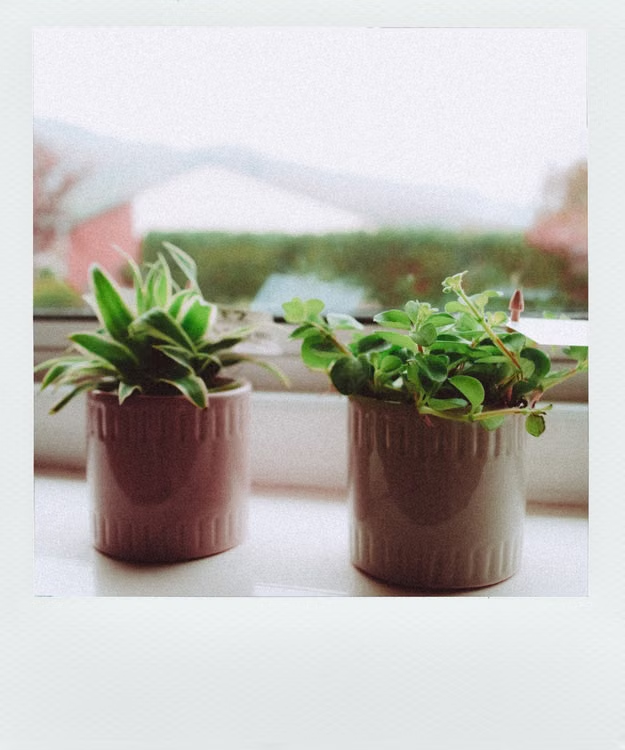
A leafy corner, a new pot and the first tiny sign of growth: it is easy to see why a houseplant can become a hobby. If you enjoy taking care of one, the next plant shop visit may feel a little more tempting.
“Plant parent” gives that hobby an affectionate name. It does not have to mean filling your home with an indoor jungle or turning every windowsill into a photo backdrop. One plant that fits your space is a perfectly good start.
From Chia Pets to the windowsill
Remember the clay Chia Pet with green sprouts that looked a bit like an unruly haircut? The novelty was watching something grow. A familiar figurine and a packet of seeds made that growth part of the entertainment.
A houseplant brings a different kind of routine. You learn where it likes to sit, when it needs water and what a new leaf looks like. The satisfaction can be similar, even if a pothos vine does not resemble a sprouting sheep.
You can enjoy the nostalgic connection without needing to recreate the exact figurine you had as a child.
What makes the hobby appealing?
A bit of green in a small home: Plants add color and texture where outdoor space may be limited. Choose a size that fits the room, including the size the plant may reach later.
Something to look after: Checking on a plant can become an enjoyable routine. It need not stand in for having children, a pet or a particular life milestone.
A shared interest: Photos, care questions and plant swaps can start conversations. A friend’s thriving plant may introduce you to a variety you would never have noticed at a shop.
A way to grow something useful: Herbs and other edible plants offer another project if you have suitable conditions. Consider the space, light, supplies and actual use rather than assuming home growing automatically saves money or lowers every environmental impact.
Enjoyment is enough of a reason. Houseplants should not be sold as a treatment for stress, blood pressure or other health concerns. Nor should they replace practical indoor-air measures: EPA’s guidance explains the limits of plants as indoor pollution controls, especially compared with adequate ventilation. For current practical steps, see EPA’s indoor-air guide.
Four familiar plants to investigate
“Low maintenance” is relative to the plant and your home. The University of Maryland’s indoor-plant guide is a useful place to compare needs.
- Snake plant: Upright leaves make it a striking choice. It tolerates lower light, but still needs suitable light and a watering routine.
- ZZ plant: Glossy leaves and an easy-care reputation make it worth considering. Maryland Extension recommends watering after the soil has dried out; “almost impossible to kill” is more promise than any plant needs.
- Pothos: A trailing vine that can suit a shelf or hanging position. Choose a spot where the container is stable and the vine will not get in the way.
- Succulents: A broad group with different species to choose from. Many need bright light and good drainage; do not place one in a dark corner simply because it stores water.
Before buying, identify the actual species and check whether it is suitable for your home. Keep plants out of reach of children or pets that may chew them. The ASPCA’s plant database lets you check plants for your particular pet. A decorative plant should not automatically be treated as edible or safe to chew.
What self-watering pots can do
A reservoir can change how you supply water. It does not remove the need to check the plant or choose the right light.
The three stores Teddy highlighted offer different systems:
- easyplant: Offers plants in reservoir pots. Its watering guidance distinguishes plant needs and reservoir checks rather than giving every plant the same refill date.
- Bloomscape: Its self-watering pot guide explains its planter options. Read the instructions for the pot and plant you choose.
- Lively Root: Offers a smart-watering collection with reservoir containers. Check the particular product’s care guidance and light needs.
These are options to compare, rather than a promise that a pot prevents every instance of overwatering or underwatering. Check the delivered size, shipping conditions and return policy as well as the appearance.
Five tips for your first plant
Start small
Choose one plant and learn its routine before buying several. It is easier to spot what is working when you are not trying to understand five different care schedules at once.
Look at the light first
Observe the intended spot during the day. A nearby window, shading outside and the season all affect the light. Maryland Extension’s lighting guide can help you match a plant to the conditions and consider supplemental light. Low-light tolerance is not permission to keep a living plant indefinitely without adequate light.
Check before watering
Use the guidance for the particular plant and container. A universal once-a-week schedule or one-inch soil test will not suit everything. For a reservoir system, follow its instructions rather than adding water by habit.
Learn the plant’s needs
Keep its name and care information somewhere convenient. Look up the light, moisture, growing medium and feeding requirements. If something changes, check the conditions before assuming the answer is more water.
Use a suitable pot and growing medium
A conventional pot needs an appropriate way for excess water to drain. A self-watering system needs its own setup. Select the growing medium for the actual plant and keep water from collecting where the system does not intend it to stay.
A watering can you can handle comfortably and a place to set the pot without damaging furniture may be all the extra equipment you need.
An optional Chia Pet for the nostalgia shelf
If you want the novelty growing project rather than a conventional houseplant, the current Chia Pet Bob Ross kit is one option. This is the base terracotta bust sold as one kit, not the blue-shirt, red-shirt or palette design. The manufacturer and matching Amazon listing describe a planter, drip tray, seeds and instructions.
It is a different figurine from the sprouting sheep you may remember. We researched this optional buying choice during editing; it is not a claim that Teddy tested or originally recommended this particular kit. Follow the included growing instructions, and do not treat novelty-kit seeds or sprouts as food.
See the manufacturer’s Chia Pet Bob Ross kit.
View the Chia Pet Bob Ross base bust, one growing kit, on Amazon (paid link).
Manufacturer product photo unavailable.
For an ordinary houseplant, choose the actual species, pot size and care needs instead of buying a novelty kit as a substitute. You do not need to buy anything here to enjoy a plant you already own.
Let the collection grow at your pace
A new leaf is a lovely small thing to notice. You can enjoy it without needing a rare specimen, a perfect shelf photo or a room full of plants.
Start with a plant that fits the home you have. Learn its care, enjoy the growth and decide later whether you want a second leafy companion.
For another hobby you can begin at your own pace, read From Friendship Bracelets to Pottery: Revisiting Craft Hobbies.