From Friendship Bracelets to Pottery: Revisiting Craft Hobbies
By Teddy Danielson ·
Edited by The Nostalgic Millennial
This article contains a paid Amazon link. As an Amazon Associate I earn from qualifying purchases.
A friendship bracelet, a tie-dyed shirt, a little bead creation for the windowsill: some of the best ’90s projects started with a kit and ended with something you were proud to show a friend.
That pleasure still holds up. Whether you want to knit, paint, try pottery or give an old piece of furniture another use, a craft gives you something to do with your hands and something to show for the time.
You do not need to become an expert or turn it into a side business. Start with a project you would enjoy making.
The craft-kit nostalgia
Remember these?
- Cat’s cradle: One piece of string, a series of loops and a friend willing to try the next move. A tiny tangle could bring the game to an abrupt end.
- Friendship bracelets: Braided or knotted at camp, a sleepover or the kitchen table. Picking colors for a particular friend was part of the fun.
- Tie-dye: Plain shirts and pillowcases became a place to experiment. The reveal when you untied the fabric was almost as exciting as wearing the result.
- Color-in stained-glass kits: Faux stained-glass designs made with translucent paint, ready for a sunny window.
- Perler beads: Small beads arranged on a pegboard and fused into a design. If you revisit them with children, follow Perler’s actual fusing instructions: an adult handles the ironing, using the specified paper and a heat-safe surface.
The projects did not have to be perfect. A slightly wonky bracelet could still be your favorite because you made it.
Returning to Perler beads
If you already have Perler pegboards and want a mixed supply of beads, the Perler 22,000-bead Multi-Mix jar (model 17000) is one option. Perler lists ironing paper and instructions as included; fused designs also require Perler pegboards and a household iron. Check the materials you have before buying more.
View the Perler 22,000-bead Multi-Mix jar on Amazon (paid link). For the product contents, see Perler’s model 17000 page. An adult should handle the ironing, following Perler’s instructions linked above.
Manufacturer product photo unavailable.
Five directions for your next project
You can return to a childhood favorite or try something that fits your home and interests now. These are ideas to explore rather than a ranking of what everyone is making.
1. Home improvement and furniture projects
Repainting furniture, putting up wallpaper or refurbishing a thrifted find can give a room a personal touch. Start with a manageable project and work out the supplies, preparation and cost before taking it apart.
A transformation video often skips the drying time, mistakes and tools. Use complete instructions suited to the actual material and job. For work beyond your skills, especially structural or electrical work, get qualified help.
2. Handmade home decor
Macramé plant hangers and woven wall art offer a place to practice knots, colors and texture. Resin coasters and poured candles are other possibilities, but they require product-specific instructions and appropriate materials; they are not interchangeable with a simple string project.
Pick one technique at a time. Borrowing a tool or taking a class can be a better first step than buying a cupboard’s worth of supplies.
3. Pottery
A bowl, vase or planter lets you explore both shape and surface. A studio class can introduce shaping, glazing and firing without requiring a kiln at home.
Decide whether the finished piece is decorative or intended for food. Do not assume any glaze or handmade mug is suitable for serving drinks. The FDA’s pottery guidance explains why unsuitable glazes can contaminate food and why decorative-only pieces should stay out of food service. Ask the studio about the specific materials and finished piece.
4. Upcycling
An old shirt can become the starting point for a sewing project; furniture can get a repair or a new finish; a suitable jar can become storage.
Reusing something you already own may avoid a new purchase. It does not automatically make every project cheaper or less wasteful. Check the item’s condition and intended use before investing in extra materials. Sometimes repairing it as it is will be the most useful project.
5. Food projects
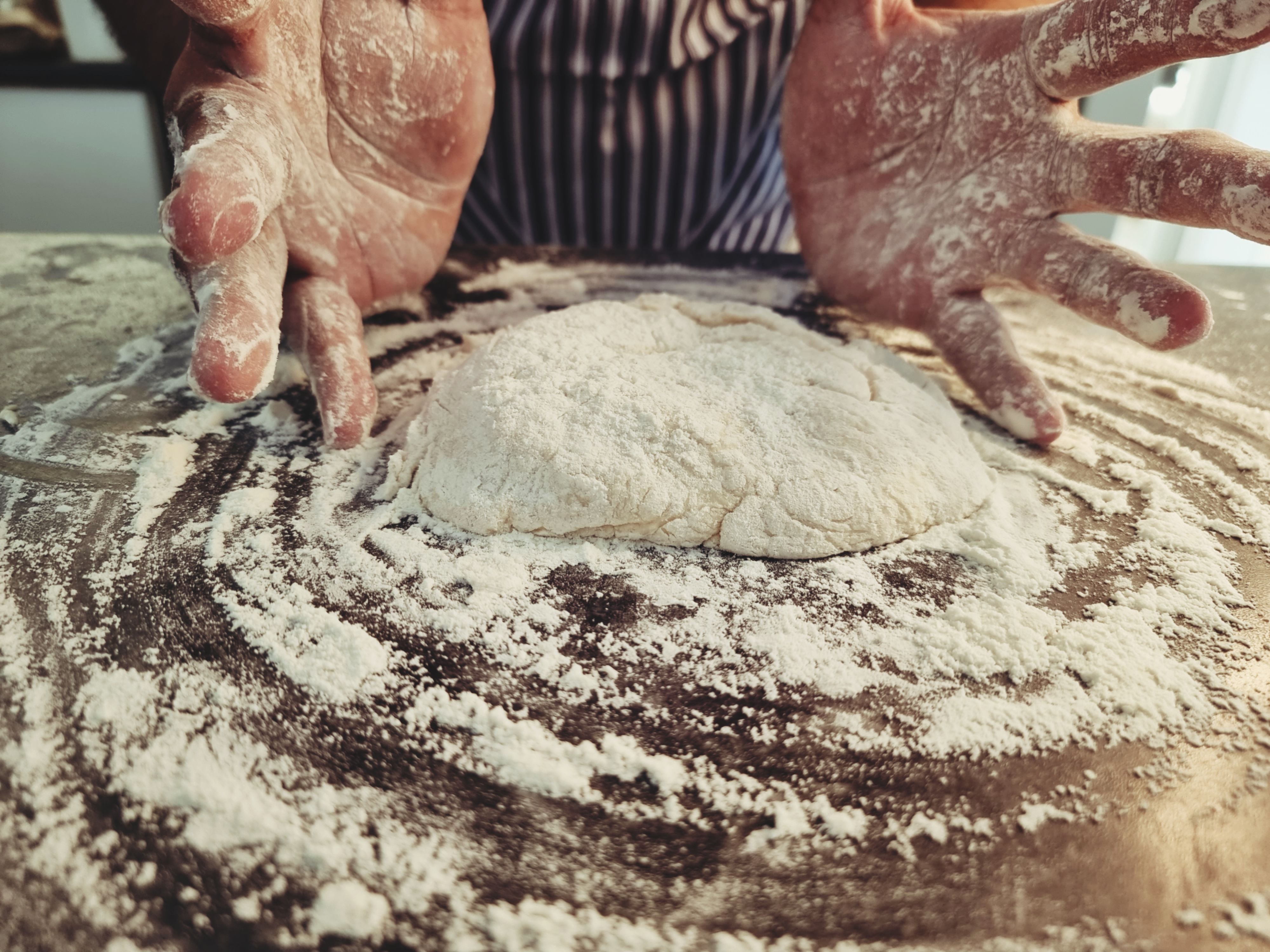
Bread baking and fermented vegetables bring the making into the kitchen. Choose a complete recipe and read it before starting, including any equipment, timing and storage requirements.
For fermented vegetables, follow tested guidance from the National Center for Home Food Preservation. Ingredient proportions matter; a social-media clip is not a substitute for a tested process. Homemade does not automatically mean healthier or suitable for long-term storage.
Find inspiration, then find the full instructions
Instagram, TikTok and Pinterest can introduce you to a technique or a project you would never have thought to try. Seeing another crafter’s progress can also make the first attempt feel less intimidating.
Use a short video to discover the idea. Before starting, look for the full materials list, method and any safety instructions. Check that the creator shows the process, explains the materials and answers the questions a beginner would have.
Follow people whose work you enjoy rather than chasing every trending project. A small community that offers useful feedback can be more helpful than a feed filled with finished-room reveals.
Make some room for making
A craft can give you a reason to set the phone down and concentrate on a knot, a brushstroke or the next row of stitches. If you enjoy that focus, make a little space for it in your week.
Choose a project you want to make and gather its materials. Give yourself room to learn as you go; you do not have to get every knot or brushstroke right on the first try.