From Jane Fonda to Peloton: how home workouts changed
By Teddy Danielson · Edited edition:
Edited by The Nostalgic Millennial
Original publication and manuscript receipt dates are not established.
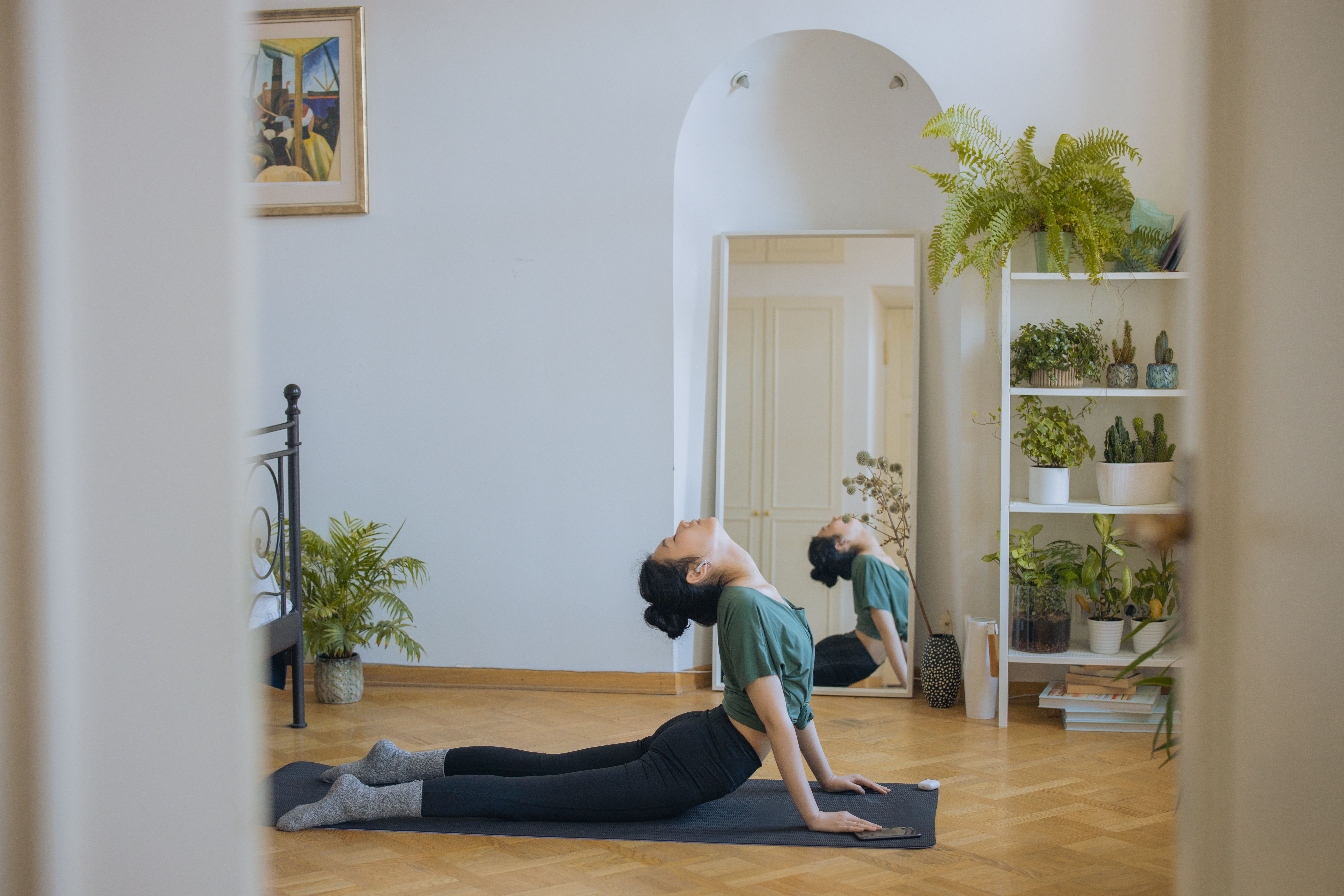
In the 1980s and 1990s, a home workout could begin with pushing a tape into the VCR and making room in front of the television. You followed the same instructor, heard the same music and learned exactly when the next set was coming. An on-demand class keeps some of that familiarity, even when the screen is attached to an exercise bike.
The choices have multiplied. You can join a live class, follow a recording, log a walk or work with a coach through an app. Those options ask different things of your time, space and budget. A leaderboard might help you return tomorrow; it cannot decide whether a session is right for you.
Workout tapes brought the instructor home
Jane Fonda's account of her first workout video's thirtieth anniversary places its release on April 24, 1982. In that 2012 post, she reported that 17 million copies of the original video had been sold. Her aerobics routines became familiar living-room viewing. Richard Simmons brought his own approach to moving with music, including Sweatin' to the Oldies.
A tape gave a session a beginning and an end. You could repeat it without traveling to a studio or matching a class timetable. The instructor on the television could encourage you, but a recording could not see how you moved or suggest a change for your particular needs.
The covers and advertising also sold an image of what being fit should look like. Separate that image from what you want an activity to do for you. Learning a movement, spending time with friends and enjoying the music are reasons to take a class, too.
Group classes kept the shared timetable
Step aerobics, Jazzercise and spinning gave people a session to attend together. A familiar class could mean a familiar instructor and people who noticed when you came back. That social part still matters when choosing between exercising at home and going somewhere else.
The choice does not have to be permanent. You might attend a local class when the schedule works and use a recording on another day. Check what instruction and modifications a class provides instead of judging it by the energy of its promotional video.
Peloton and Tonal connect equipment to instruction
Peloton's app has live and on-demand classes across different activities. You can use classes without owning a Peloton bike. Check the app tier, the equipment needed for the session and the separate membership requirements for Peloton hardware before paying.
Connected cycling can put performance numbers and other riders on the screen. It can be enjoyable to follow an instructor or work toward a recorded milestone. Those features do not establish that the workout suits every person or that competing harder is the right next step.
Tonal connects strength-training equipment with guided sessions and adaptive resistance. Its Smart View guidance distinguishes Tonal 2's built-in camera from the mobile-camera setup used with Tonal 1. Check the exact model, installation, space and membership requirements. Camera cues and automatic weight adjustments cannot guarantee correct technique or prevent an injury.
What a wearable can tell you
Fitbit devices, Apple Watch and Garmin trackers can record activity and other fitness measurements, depending on the model and feature. Steps, heart-rate readings, estimated energy use and sleep summaries can help you notice patterns. A dashboard number needs context: how the device was worn, what it could measure and whether the reading makes sense.
Apple's heart-rate guidance explains that reliable readings are not possible every time for everybody. Check the documentation for the exact Fitbit model and Garmin's accuracy explanation as well. Do not treat exercise estimates as an exact calorie count or use them to diagnose a condition. Specific medical features have their own indications and limits.
Someone training for a marathon may want different information from someone trying to take more walks. Choose the question first, then decide whether another device will help answer it.
Three apps with different jobs
Nike Training Club has guided workouts and programs, including bodyweight sessions. Check the equipment and instructions for the workout you choose. A class in a library does not provide the same observation as working with an instructor in person.
Zwift connects compatible indoor cycling equipment to virtual routes and other riders. Check the bike or trainer setup and the device that runs the software before subscribing. A route on the screen still needs suitable equipment and room around it.
MyFitnessPal has food and activity logging tools. It serves a different purpose from a guided exercise class. Food entries and activity estimates also need interpretation; a logging target is not individual nutrition advice.
During COVID-19 restrictions, a home session could offer an alternative when a usual gym or class was unavailable. The practical appeal remains the ability to fit a session into the day. That convenience depends on what you can do safely in the space you have.
Wellness can include a class and a quiet moment
Appearance is only one possible reason to exercise. You may value time away from work, companionship or the chance to practice something you enjoy. A hybrid routine could pair an in-person yoga class with a short session at home.
Apps such as Calm and Headspace provide meditation content. Consider those separately from exercise instruction. A meditation session does not replace movement, and an app's wellness description does not establish treatment for a health condition.
Inclusion is practical, too. Look for an instructor who explains alternatives, equipment you can use and a setting where you feel comfortable asking a question. You do not need to match the person in the advertisement to belong in a class.
Check the details behind a sustainability claim
Recycled-fiber activewear and gyms that advertise renewable electricity are examples of environmental claims to examine. Ask which material is recycled, how much of the garment it accounts for and what the energy claim covers. A green label alone does not describe the whole product or operation.
You can also consider what you already own and whether an item can be maintained or repaired. Buying another device is a separate decision from finding time to move. Check a connected product's software support and subscription dependence before assuming it will remain useful for years.
Recovery does not require every new trend
Stretching, foam rolling and cold plunges often appear together in recovery advice. They are different practices, and none belongs in everyone's routine simply because it appears in a video. Choose recovery advice for the activity and your circumstances.
Cold water deserves particular care. The American Heart Association's discussion of cold-water immersion describes the sudden breathing, heart-rate and blood-pressure response and the risks that can follow. A cold plunge is not an essential purchase for a home workout.
If you have a chronic health condition or disability, the CDC recommends discussing suitable activity with a health care professional or physical activity specialist. An injury or a new symptom also needs appropriate individual assessment; a viral recovery routine cannot provide it.
An optional mat for floor practice
For yoga or other floor practice, check the surface, available space and the equipment your instructor requests. A mat's size, weight and grip may matter more to you than a connected feature. The stock photographs in this article illustrate exercise settings; they do not identify the mat below.
As an Amazon Associate, I earn from qualifying purchases.
The Manduka PRO yoga mat in Black, Standard 71 by 26 inches and 6 mm thick is one option to compare for home practice. The manufacturer lists its weight as 7.5 pounds and cautions that the surface can feel slippery with sweat. Consider that weight if you plan to carry it to class. This recommendation is for one mat, without a towel or carrier bundle.
View the Black Manduka PRO 71-inch yoga mat on Amazon (paid link).
Social media gives you a demonstration, not the whole plan
Instagram, YouTube and TikTok make it easy to find an exercise demonstration. Chloe Ting's challenges and CrossFit athletes' videos are examples of the routines people encounter online. A short clip may introduce an instructor or movement while leaving out setup, progression and modifications.
Look beyond an edited photograph or a quick-result promise. Check who is giving the instruction, whether the movement is explained and what to do if it does not suit you. A sixty-second tutorial cannot cover every person's needs.
Social media can also help you find instructors who show different bodies and abilities. Keep the useful demonstration and the sales pitch separate. An app, supplement or piece of equipment does not inherit a creator's claimed results.
AI plans and remote human coaching need different questions
Freeletics describes its Coach as a digital program that uses AI to adjust training. It is not a person you can talk to. Check what feedback you provide and how the plan changes before expecting a coach to observe a session.
Future advertises remote coaches who create and adapt training plans. Its terms also disclose AI-enabled features, including generated plans and messages. Ask what human support is included and how to request a modification. Neither the word "personalized" nor an automated message explains the level of observation you will receive.
Form analysis already exists in some connected systems, but the setup and supported movements matter. Treat an instruction or camera cue as a feature to understand, not evidence that the software can prevent an injury.
VR, AR and a reason to finish the next level
Virtual reality can turn a session into boxing, dance or another activity in a simulated setting. FitXR describes several class formats for compatible headsets. Supernatural is another example of VR fitness; check its current service information before buying hardware or expecting a particular membership or workout library. An older description of a service does not establish what is available today.
Augmented-reality overlays could add route or movement information to what you see. Check the actual supported feature instead of assuming any headset or app supplies live form feedback. Clear space, hardware compatibility and the service's current terms come before the visual effect.
Challenges, leaderboards and rewards can give a session a game-like structure. Zwift's virtual cycling is one way to share a route while exercising in different places. If a score encourages you, use it with the instructions and limits of the activity; it does not decide when you should push harder.
A tape on the shelf and a class in an app both need time in the day. Choose a format you can use, an instructor you understand and enough space to move. The next session can begin without replacing everything in your living room.