From bubble baths to biohacking: finding self-care that fits
By Teddy Danielson · Edited edition:
Edited by The Nostalgic Millennial
Original publication and manuscript receipt dates are not established.
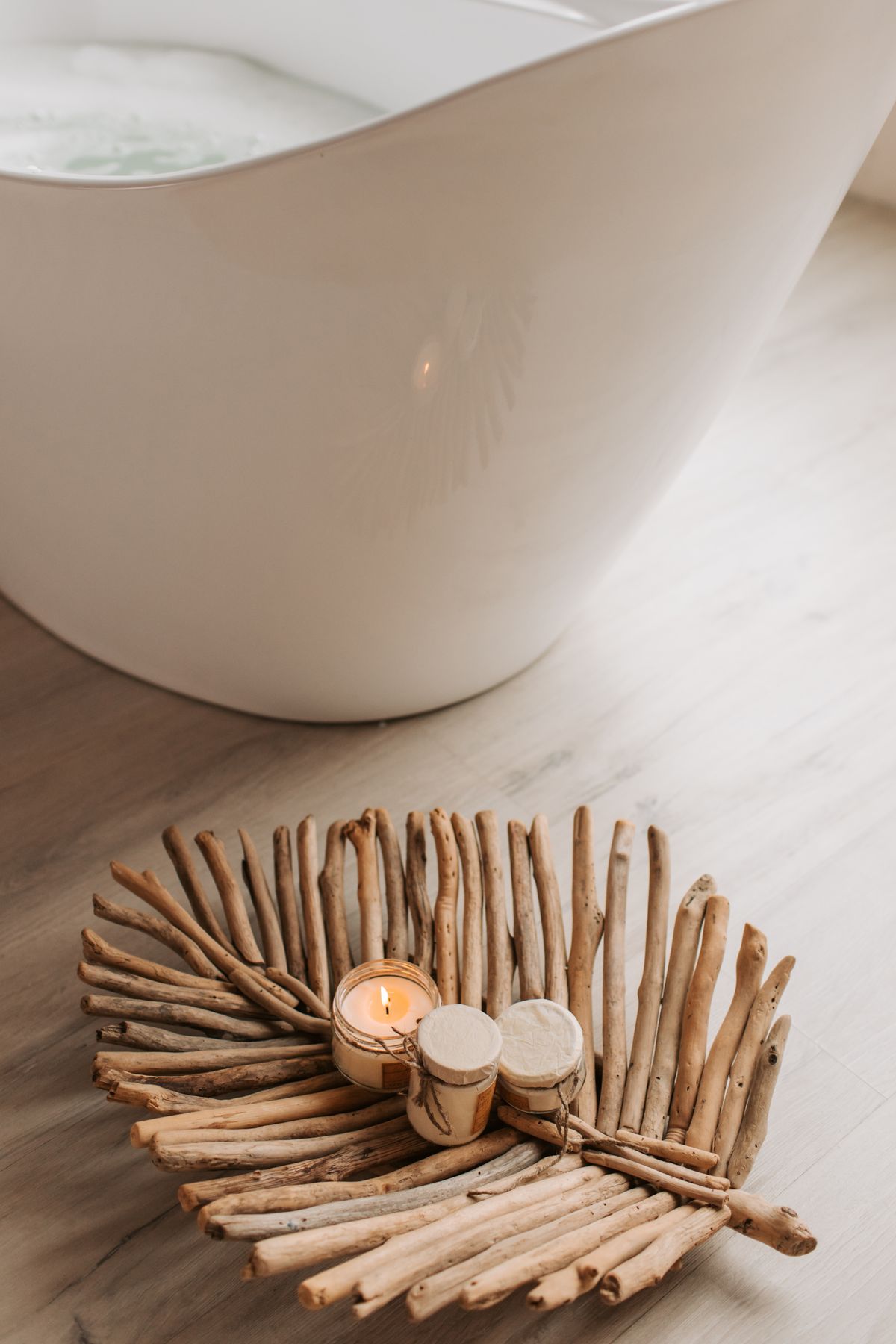
A bubble bath and a video about optimizing your biology can both arrive with a shopping list. One suggests a candle or a face mask; the other may suggest a supplement, a light panel or a wearable. Before comparing prices, it helps to ask what you want the routine to do.
An enjoyable evening, help managing everyday stress and treatment for a health condition are different goals. This guide revisits familiar self-care habits and the health claims attached to newer tools. It does not rank products or describe routines tested by the author. Health guidance and provider information were checked on October 18, 2026.
From teen magazines to social feeds
For readers who grew up with Seventeen, CosmoGirl or Teen Vogue, a home-spa checklist may bring back memories of face masks, manicures and a bedroom playlist. A journal, an inspirational quote or a bath could become part of an evening set aside for yourself.
Those memories can stand without a verdict that older magazines were all superficial or that today's social feeds are more scientific. A short video can combine a creator's personal experience, a research reference and an advertisement. The format does not establish which part is reliable.
A study reference needs context
Ask whether the research involved people, whether it studied the same intervention being promoted and what outcome it measured. A change in a laboratory marker is different from evidence that people sleep better or live longer. Results from a particular group may not apply to a healthy person of a different age.
Relatable accounts of burnout or an elaborate skincare routine can be interesting to watch. They do not establish a creator's qualifications or the safety of following the routine yourself. Check the underlying source before accepting an explanation about hormones, inflammation or the nervous system.
What does biohacking mean here?
The word can cover changing a sleep schedule, looking at a wearable score, taking a supplement or using a device. Grouping those activities under one label does not give them the same evidence or risks.
A useful description names the intervention and the intended result. It also separates what a manufacturer says from what independent health guidance supports. The examples below are topics to examine, not a shopping list or a home-treatment protocol.
Red-light devices
Red-light therapy appears in discussions of skin care, hair growth and recovery. The American Academy of Dermatology's consumer guidance describes studies of particular skin outcomes and notes uncertainty about home-device effectiveness and long-term effects.
A result involving facial skin does not establish whole-body rejuvenation, longer life or improved athletic recovery. Devices and intended uses differ. Check the exact device's instructions and regulatory status rather than treating a general description of red light as approval for every advertised benefit. A dermatologist can help assess a skin concern and the relevance of a particular device.
Cold plunges and whole-body cryotherapy
Cold-water immersion and a whole-body cryotherapy chamber are different exposures. The National Weather Service's cold-water guidance explains that sudden immersion can affect breathing, heart rate and blood pressure. A gasp or rapid breathing can create a drowning hazard. A social-media clip does not supply an appropriate safety assessment or protocol.
For whole-body cryotherapy, the American Academy of Dermatology says advertised benefits remain unproven and describes injuries including frostbite. It distinguishes chambers from medical procedures that freeze a specific area of skin. Neither a promise about dopamine nor a general claim about inflammation establishes that a recreational cold exposure is suitable for someone with a health condition.
Supplements and longevity claims
NMN, or nicotinamide mononucleotide, appears in discussions of NAD+ and aging. An NIDDK research update describes a small study involving postmenopausal women with prediabetes who were overweight or obese. A finding about muscle insulin sensitivity in that group does not demonstrate that NMN extends human life. The update calls for more research on safety, durability and possible therapeutic value.
Omega-3s, magnesium and ashwagandha also need separate questions. NCCIH's omega-3 guidance distinguishes research on eating seafood from research on supplements. Those findings do not justify promising a brain boost from a capsule to every reader.
NCCIH describes very little research on magnesium for sleep disorders, with conflicting or low-quality findings in the research it discusses. That does not establish magnesium glycinate, or another formulation, as a reliable treatment for insomnia.
For ashwagandha, NCCIH says some preparations may help stress or insomnia, while evidence about anxiety is unclear. Preparations differ, long-term safety remains uncertain and the guidance describes medication interactions and health cautions. “Adaptogen” is not a substitute for reading that information.
The FDA's supplement guidance describes the difference between supplements and medicines. Ingredients can interact with medicines or a medical condition. Discuss a proposed supplement with a healthcare professional before using it.
Meditation, nootropics and sleep tools
Technology can offer reminders, audio sessions or a record of a routine. The useful question is whether the tool helps with the job you chose for it, and what its measurements can establish.
Apps and meditation wearables
Headspace's content app has guided meditation and sleep resources. Calm's app guidance distinguishes its meditation and Sleep Stories app from Calm Health and Calm Sleep. Keep those offerings separate when checking features or access.
Muse combines a headband and app for meditation feedback. Its manufacturer's legal information says the headband is not a medical device. A feedback display does not establish a diagnosis or prove that every user reaches a deeper state of relaxation.
Check the current service, the exact device if one is involved, its instructions and the evidence for the particular outcome being advertised. NCCIH's meditation guidance discusses potential benefits and limitations in the research. It cautions against replacing conventional care or delaying an evaluation. Evidence about a structured intervention should not be transferred automatically to every consumer app. No subscription or device recommendation is made here.
Nootropics need a specific claim
“Smart drug” can make very different substances sound interchangeable. L-theanine and lion's mane mushroom are two names that appear in this discussion. A claim about memory, focus, creativity or anxiety needs human evidence for the specific preparation and outcome.
An ingredient's presence in tea or a mushroom does not establish the safety or effectiveness of a concentrated supplement. Read the formulation and discuss interactions or ongoing symptoms with a healthcare professional. Experimenting with several products at once also makes it harder to tell which change, if any, caused an effect.
Sleep scores and bedtime products
Weighted blankets, blue-light-blocking glasses, sleep apps and the Oura ring belong to different categories. A blanket or a pair of glasses is not equivalent to a tracker. Oura's manufacturer description presents a ring and app for sleep and wellness trends; it says the ring is not a medical device intended to diagnose or treat illness. Check what a particular tool measures and what its score is intended to mean.
NCCIH's melatonin guidance distinguishes uses and describes gaps in long-term safety information. Melatonin and magnesium should not be treated as automatic additions to a bedtime routine. If a sleep problem persists, adding products or trying to improve a dashboard score can delay a useful conversation about the problem itself.
Beauty claims deserve their own review
An appearance claim can sound scientific without establishing that a product will deliver it or that a procedure is suitable at home. Start with the exact claim, the intended use and the potential harm.
Collagen supplements
Collagen's role in the body does not by itself prove that a powder or capsule will make hair shinier, nails stronger or skin more youthful. Those are separate outcomes. The American Academy of Dermatology's supplement guidance discusses the evidence and the need for more research. A useful study identifies the preparation, participants and measurements rather than relying on the ingredient's name.
Look for the limits of the evidence before accepting a promised visible improvement. Do not infer that a supplement is needed merely because the body changes with age.
Microneedling and home rollers
FDA guidance on microneedling describes benefits, limits and risks, including infection. It recommends a healthcare provider with appropriate training and says it has not authorized microneedling medical devices for over-the-counter sale.
FDA distinguishes penetrating medical devices from some short, blunt tools intended only to exfoliate the surface. A claim that cleaning a home roller makes it an uncomplicated treatment for scars, pigmentation or fine lines leaves out questions about its action and intended use. This guide provides no instructions for puncturing the skin or combining a device with a serum. Have a skin concern assessed before choosing a procedure.
Gua sha and jade rollers
A facial massage tool can be part of a preferred routine without every explanation about sculpting, lymphatic drainage or product absorption being established. Those claims need evidence for the method and outcome in question.
A before-and-after photograph needs consistent lighting and timing even to make a useful comparison. It cannot, on its own, establish lasting facial reshaping. More pressure, more frequent use or a higher price does not establish a better result.
Find a routine that fits your day
The National Institute of Mental Health's self-care guidance includes regular activity, meals, sleep, enjoyable activities and connection with other people. It describes self-care as support for mental health and, where relevant, treatment and recovery. It is not a requirement to purchase a particular tool.

Separate a preference from a health concern
A bath, a manicure or a hobby can be enjoyable without needing a medical explanation. You can choose it because you like it. Journaling or a gratitude list may also have a place in your day without a promise that it will immediately remove anxiety.
Persistent fatigue, distress or difficulty sleeping deserves attention beyond a list of products. A healthcare professional can help assess what is happening. Do not assume that the cause is poor willpower or a failure to optimize a routine.
Keep affordable options visible
Time for a walk, a friend, stretching or an uninterrupted hobby may fit a routine better than an expensive device. Choose activities that suit your circumstances and abilities. Rest does not need to be earned by meeting a tracker target.
A useful check is whether the routine's cost, complexity or constant monitoring is becoming another burden. Remove a purchase from the plan if it does not serve the goal you chose. Ask for evidence before accepting a dramatic health promise, even when the demonstration looks convincing.