Drive-in movie nights: six theaters and a backyard setup guide
By Teddy Danielson · Edited edition:
Edited by The Nostalgic Millennial
Original publication and manuscript receipt dates are not established.
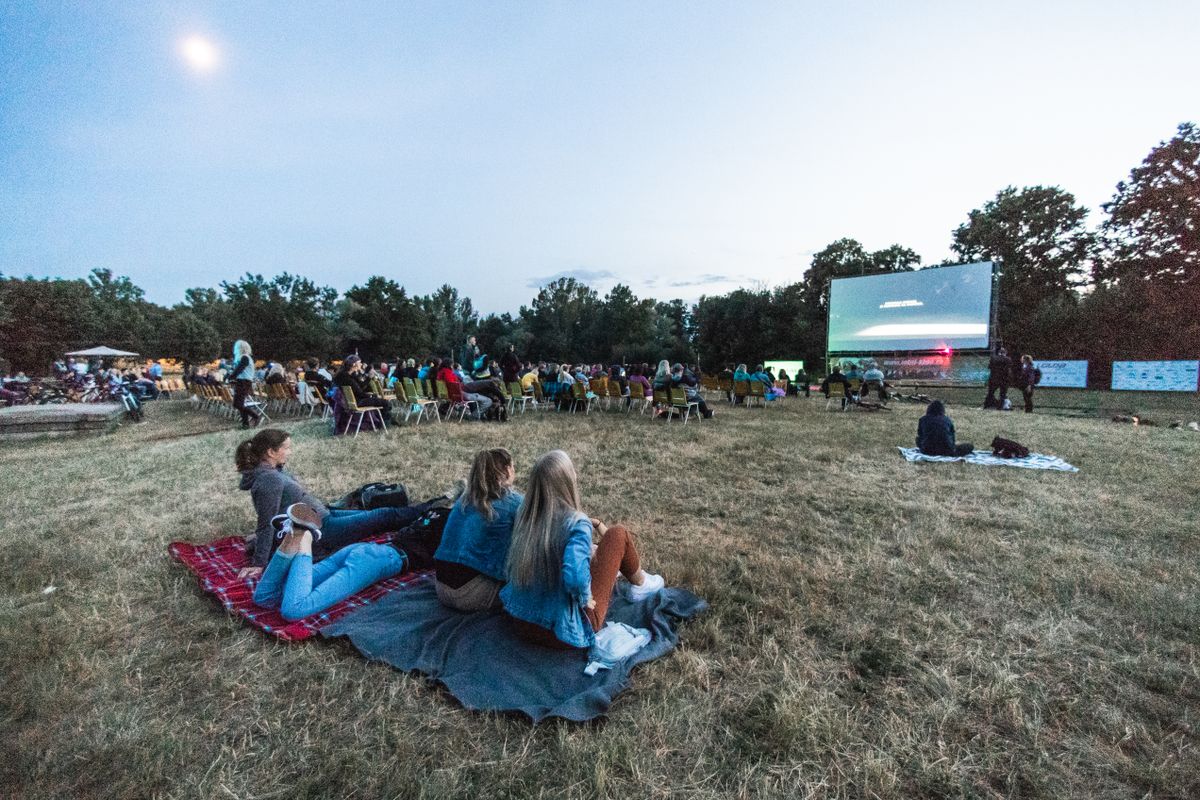
A car full of friends, a bag of popcorn and a film on a big outdoor screen: a drive-in gives movie night a different rhythm. You arrive, settle into your spot and wait for the sky to get dark enough for the show.
For some people it brings back family trips or a teenage date. For others it is a new way to watch a film. Either way, a little planning helps: check the theater’s current schedule and rules before heading out.
The six theaters below offer different reasons to plan a visit, from a long operating history to repertory film programs. The backyard guide covers seven parts of setting up a smaller screening at home.
What makes a drive-in different?
You can make the journey part of the evening, get comfortable in the car and watch a double feature if that is what the theater has scheduled.
Some theaters allow chairs outside the vehicle; others have particular rules about parking, lights, food and sound. A drive-in is a shared space, even when you watch from your own car. Follow the venue’s instructions and keep children supervised.
Drive-ins also offered a way to watch films from separate vehicles during pandemic restrictions. That history does not establish that a crowded outdoor event is free of infection risk. Check the venue’s current rules and make plans that fit your circumstances.
A drive-in can appeal to people who want an evening outdoors or a quieter setting for their group. It still takes cooperation: other visitors need a clear view and an audible soundtrack, too. Keep lights and conversations from interrupting the film.
For a local theater, your ticket and any concessions you buy support the business that puts on the show. Check its outside-food policy before packing a picnic.
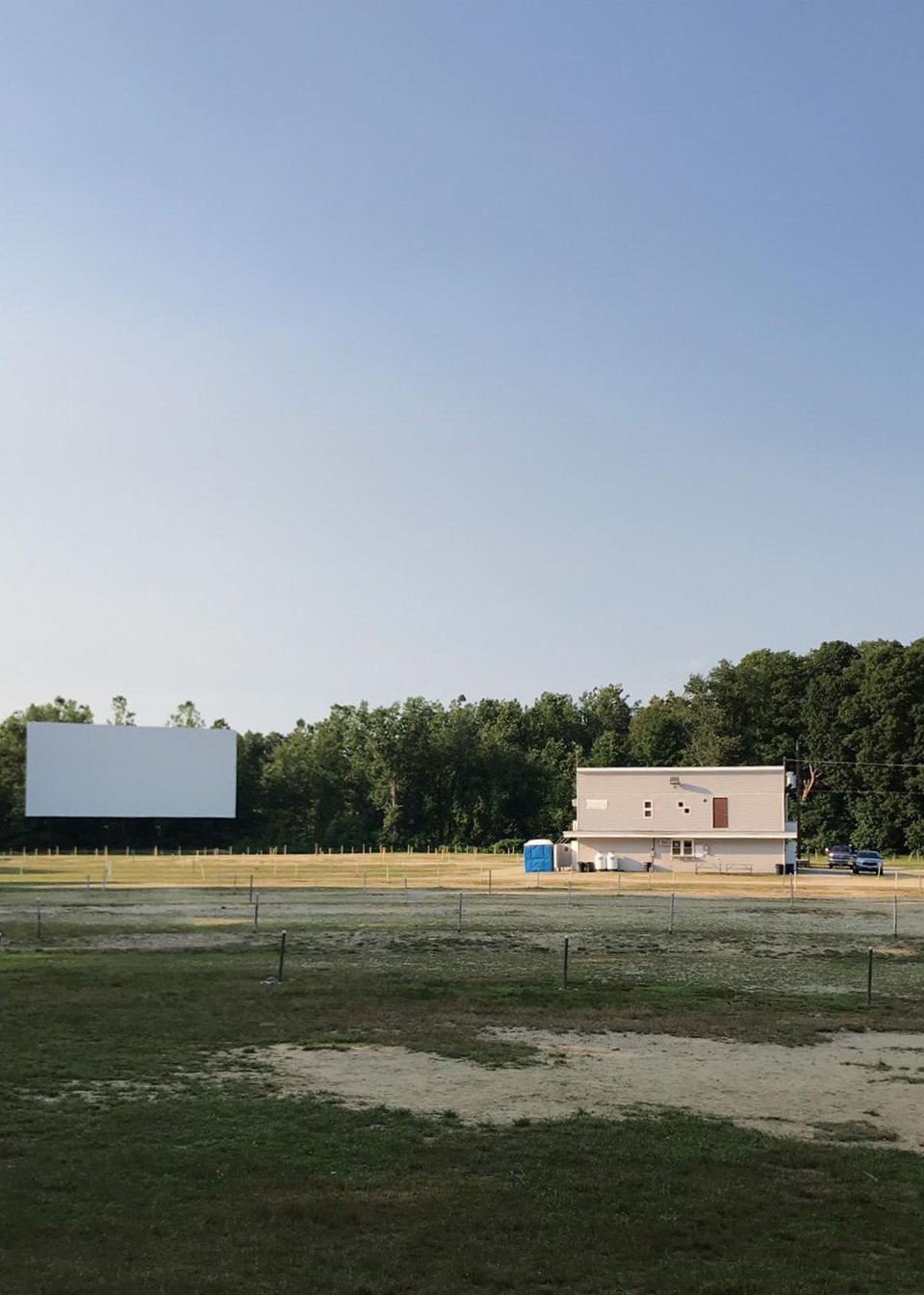
Six drive-ins to explore
These six theaters are starting points for a trip. This guide is not based on firsthand visits or a ranked comparison. Schedules, seasons, ticket policies and concessions change, so use the official links to plan your evening.
Skyview Drive-In in Belleville, Illinois
Skyview’s official site identifies the Belleville, Illinois, theater. Its history page dates opening night to July 8, 1949.
At the October 18, 2026 check for this guide, the homepage said the theater was closed for the season. Check for a new schedule before planning a trip. Its FAQ says the box office accepts cash, while concessions accept cards; it allows outside food and drink but prohibits grills.
For concessions and seasonal events, use the current program and arrival information.
Harvest Moon Twin Drive-In in Gibson City, Illinois
Harvest Moon traces its opening to July 9, 1954. Its history records periods of closure and a reopening in 1989.
On October 18, 2026, the theater’s homepage listed a fall break from October 12 through November 12, with holiday screenings planned in November. Confirm the particular date before leaving home.
The FAQ explains FM-radio sound and chair placement. A phone streaming an online radio station is not a substitute for a receiver tuned to the theater’s broadcast. The posted food policy requires a permit for outside food or drinks and prohibits alcohol. Check the current terms and fee with the theater.
Shankweiler’s Drive-In in Orefield, Pennsylvania
Shankweiler’s is in Orefield, Pennsylvania. Its history records an April 15, 1934 opening and expansion to year-round operation in 2022. Year-round operation still calls for checking the day’s program.
The rules specify 90.7 FM for sound and prohibit food delivery, grilling and open fires. Vehicle height affects parking rows. Read the event’s own gate and show times, and check for weather closures before traveling.
Bengies Drive-In in Middle River, Maryland
Bengies opened June 6, 1956. Its screen is a major part of the appeal: the theater gives its dimensions as 52 feet high by 120 feet wide. Its account describes double features, intermission material and a season extending beyond summer.
Check the current bill and attendance rules before choosing a night. Bengies requires a radio, takes cash at the box office and requires a permit for outside food or drinks. Its posted rules address vehicle lights and hatch height and prohibit onsite photography or video recording.
The Mahoning Drive-In in Lehighton, Pennsylvania
The Mahoning’s history describes a theater built in 1948 that began entertaining audiences in 1949. Its retro programming includes classic and cult films on 35mm. Check the current events for the actual title and presentation format.
Its FAQ lists 89.3 FM for sound and says outside food and drinks are not permitted. Overnight access has its own event-specific terms; do not assume a regular movie ticket includes it.
Four Brothers Drive-In in Amenia, New York
Four Brothers combines its drive-in with food and other amenities. Its official site links movie tickets, menus, camping and Hotel Caravana at its Amenia location.
The camping page says movie tickets are separate from the camping fee. Hotel Caravana is a separate lodging option linked by the venue. Confirm availability, inclusions and arrival times directly before reserving either.
Four Brothers’ published pages disagree on the outside-food voucher amount. Check the current policy and fee with the theater. Its housekeeping rules also cover parking, early departure and onsite grilling.
Seven steps for a backyard movie night
A smaller setup at home can give you the outdoor-movie feeling without planning a road trip. Borrowing equipment is worth considering before buying a projector for one evening.
1. Set up the screen and projector
Choose a level area with a clear view of the screen and enough room for the projector’s required distance. A portable screen or a secured white sheet may work for the setting, but follow the support or screen manufacturer’s instructions and account for wind.
Check the projector’s connection options and place it on a stable surface. Image quality depends on the projector, screen size and surrounding light; a single “3,000 lumens” cutoff is not a reliable shopping rule for every setup. Epson’s projector guide explains that ambient light affects the brightness you need and that white and color light output are distinct measurements. Compare the actual model’s stated measurement standard, image size and intended use.
Test the picture at the time you expect to watch. Keep electronics protected from rain and use them only in conditions their instructions permit.
For mains-powered equipment, use an appropriate outdoor setup. CPSC’s extension-cord guidance calls for outdoor-rated cords, respecting their load ratings and using GFCI protection. Keep cords out of walking routes and never hide them beneath rugs.
2. Arrange comfortable seating
Lawn chairs, picnic mats and cushions give guests options. Put lower seats toward the front and leave a route people can use without crossing the projector beam or tripping over equipment.
Check the weather. Blankets can help with a cool evening; move the event indoors if the conditions are unsuitable. Keep seats and fabric away from heat sources.
3. Add a few decorative touches
A paper movie-title sign or themed tableware may be plenty. Keep enough lighting for people to move around without washing out the picture. Use only lighting suited to the setting and its instructions; you can skip tiki torches and candles.
4. Choose the film for your actual audience
Ask what people would enjoy and check the content rating. For a nostalgic program, consider Grease, Back to the Future, Jurassic Park, E.T., The Lion King and Toy Story. A horror night might call for Halloween or The Shining, with an audience comfortable with those choices.
Choose a length that fits the evening, including setup and a break. Check where you can legally access the particular film; do not assume your existing streaming service has it.
5. Test the sound
Try the projector’s audio before deciding you need another speaker. If you use an external one, check the actual connection and walk around the seating area to hear the result.
Set the volume so guests can follow the dialogue without disturbing neighbors.
6. Plan a manageable snack table
Popcorn, suitable sweets, sandwiches or pizza can make the evening feel like a cinema visit. Ask about guests’ dietary needs and choose foods appropriate to children’s ages. Label items and keep anything that needs refrigeration chilled until serving.
Offer water and other drinks. For an adult gathering, consider a White Russian with The Big Lebowski or a martini with a Bond film. Alcohol-free drinks can fit the theme, too. Keep alcoholic drinks separate from children’s servings and plan transportation if guests will be drinking.
Set out napkins and a place for trash, and keep food and drinks away from electrical equipment.
7. Run through the whole setup
Play part of the film before guests arrive. Check the picture, sound, connections, seating and available playback access. Check the remote’s batteries and keep the required cables and adapters together.
Have an indoor plan if weather or equipment changes the evening. Before you settle in, clear the walking route, turn down lights that affect the screen and put the remote where you can reach it.